Yesterday, April 15th, I met with the Rockwall Library Homeschool Group again. With April being International Citizen Science month, we took a look at three species in our backyards to use for our data. The rough earth snake, the Texas jumping worm, and the graceful awlsnail. Below I’m sharing the instruction sheet I gave the families, there’s helpful links on it, and I look forward to our time in May when the students share their findings.
Scientific Research Data looking at snakes, snails, and worms
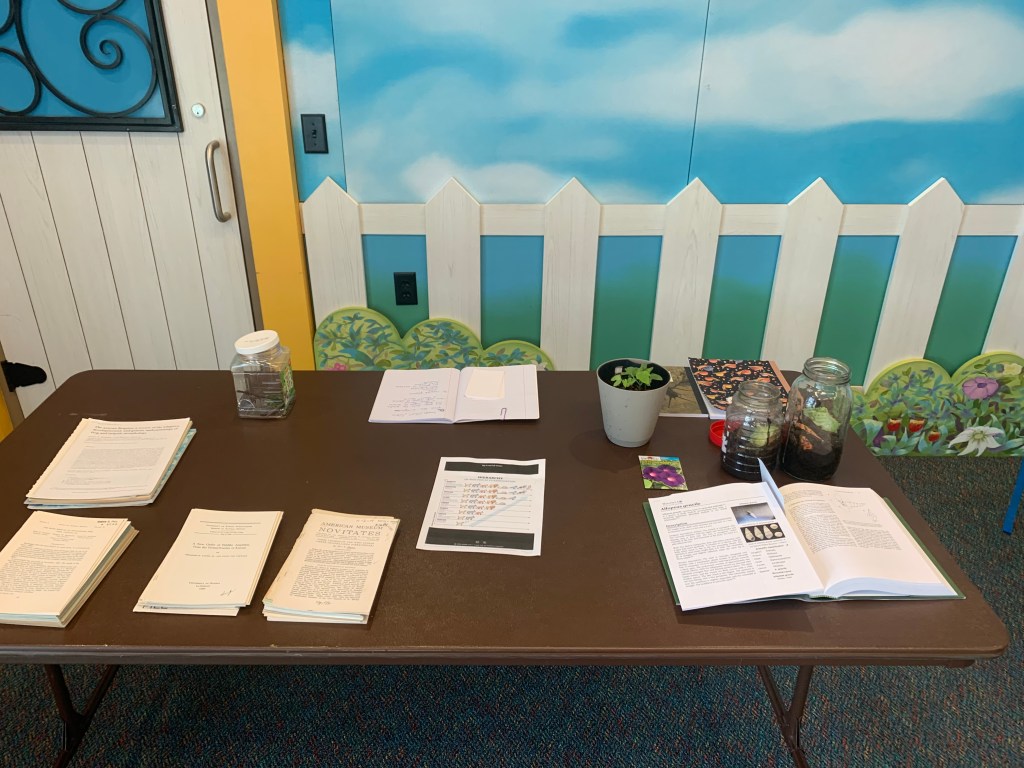
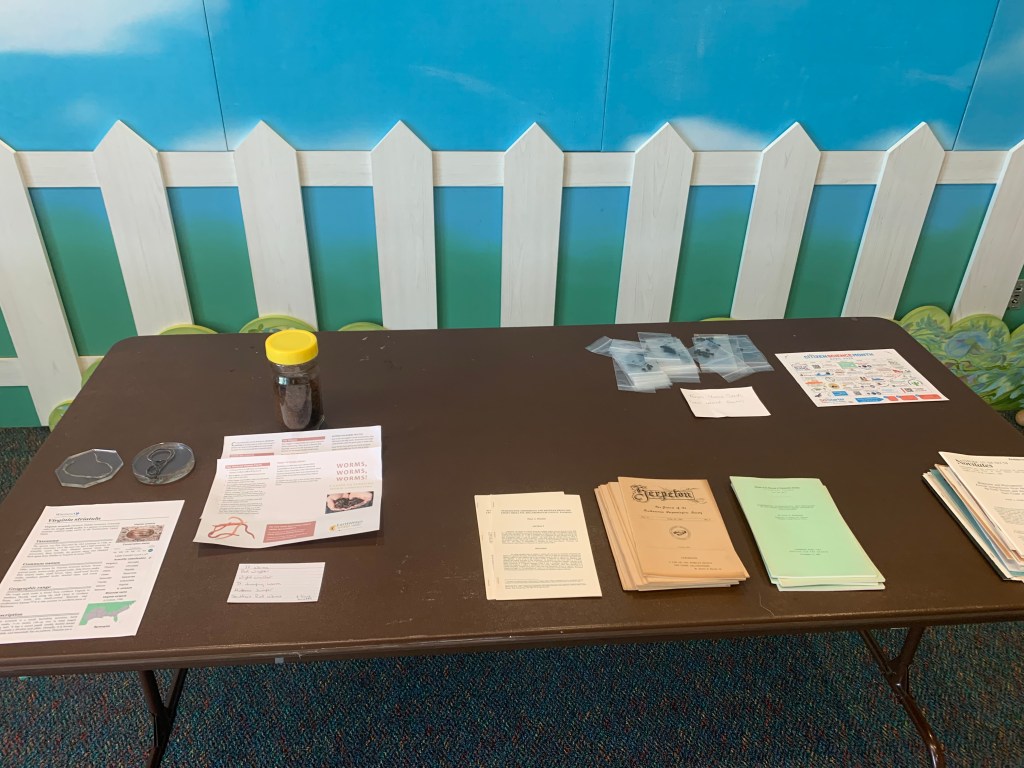
Research papers have a format to follow; they must include a title, the author or authors, date the paper is published, description of their subject matter, pictures or graphs or lists, and citations. The descriptions are where the hypothesis and how the research was conducted are written. For most of the papers I brought in today, they are describing new species so they are listing the comparisons and contrasts to known species.
Our take-home science will be looking at the creatures in our yards. Rough earth snakes are typically found under rocks and decorations in gardens. They burrow into the ground hunting earthworms and are active dawn/dusk. Females are slightly larger than males topping out at 12 inches. Rough earth snakes have live births, they do not hatch from eggs. Graceful Awlsnails are tiny spiraled snails with yellow bodies. They are the only species of snail to have been observed pollinating flowers (morning glories) on rainy mornings when bees aren’t flying. For worms; Texas is home to several types of worms, use the website www.texacreek.com to help ID what is in your yard.
Your turn to collect data. Our May science time will be for you to present your yard’s inhabitants. Some guides to note are; time of day, weather, temperature, sun or shade area, where the sprinklers run recently. www.molluskman.com will help you ID any snails www.iNaturalist.com is also a great resource and you can log your findings here as well. Rough Earth Snakes are best described on Wikipedia.
Have fun with this.
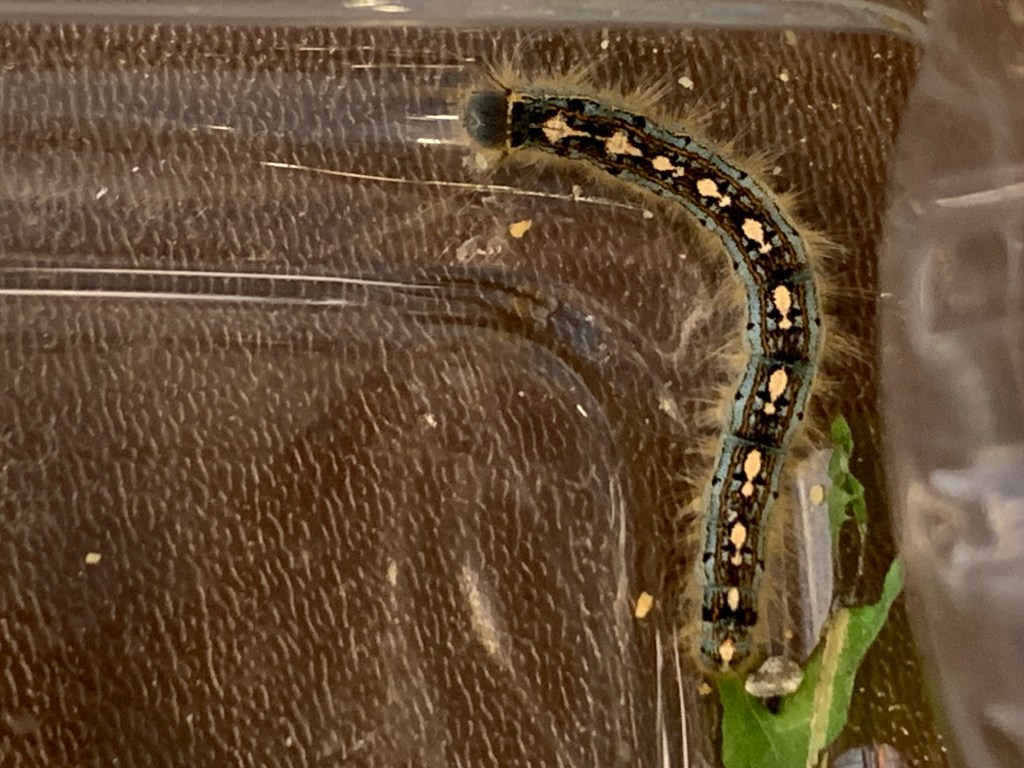
The library has also had a lot of caterpillars in their green spaces and parking lot, I happened to have an empty container and collected a few to do some real time exploring who the creature is, where do they live in the outside world, what do the eat….? Meet the Forest Tent Caterpillar, a type of moth. Moths are beneficial as they pollinate the nighttime plants.
For more Citizen Science fun, visit http://www.scistarter.org and join a project. Happy Sciencing, All.


Leave a Reply